

How Greenbrier Expanded Its Railcar Footprint Beyond the U.S.
After establishing a strong presence in the railcar industry during the 20th century, the company started thinking of ways to grow. By expanding its products in the U.S. and internationally, Greenbrier’s answer to shifting market needs came through design and innovation.
In 1991, the company introduced the Husky-Stack Car™, a single-unit double-stack well built for heavier, more flexible loads. While most stack cars ran in five-unit sets, the Husky’s two-container design let haulers move smaller volumes without sacrificing efficiency. The model quickly proved its worth, contributing nearly 700 units to the year’s production schedule and helping stabilize the business during market turbulence.
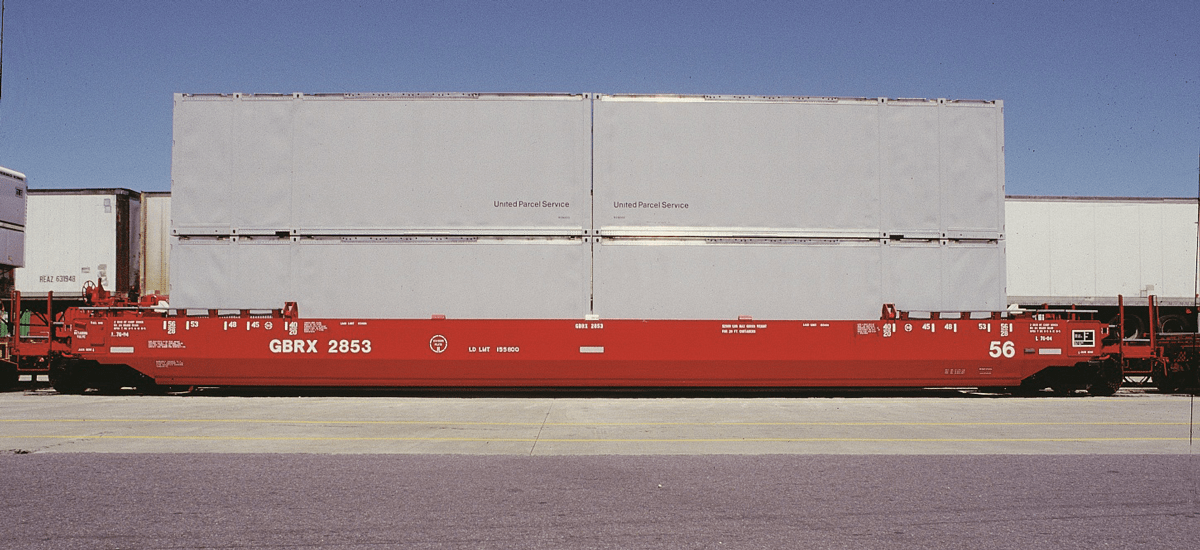
From 1991 to 1994, the company also hit new production highs, reaching more than 4,400 stack cars and boxcars in 1993 alone. But the decade’s most defining change was not a single product or milestone; it was scale.
Worldwide Expansion
As demand for stack cars and boxcars surged, Greenbrier expanded beyond the Pacific Northwest, building a footprint that would set the stage for the company’s global identity. In 1998, Greenbrier expanded with the acquisition of Wagony Świdnica in Poland. That same year, the company formed a joint venture with Bombardier in Sahagún, Mexico.
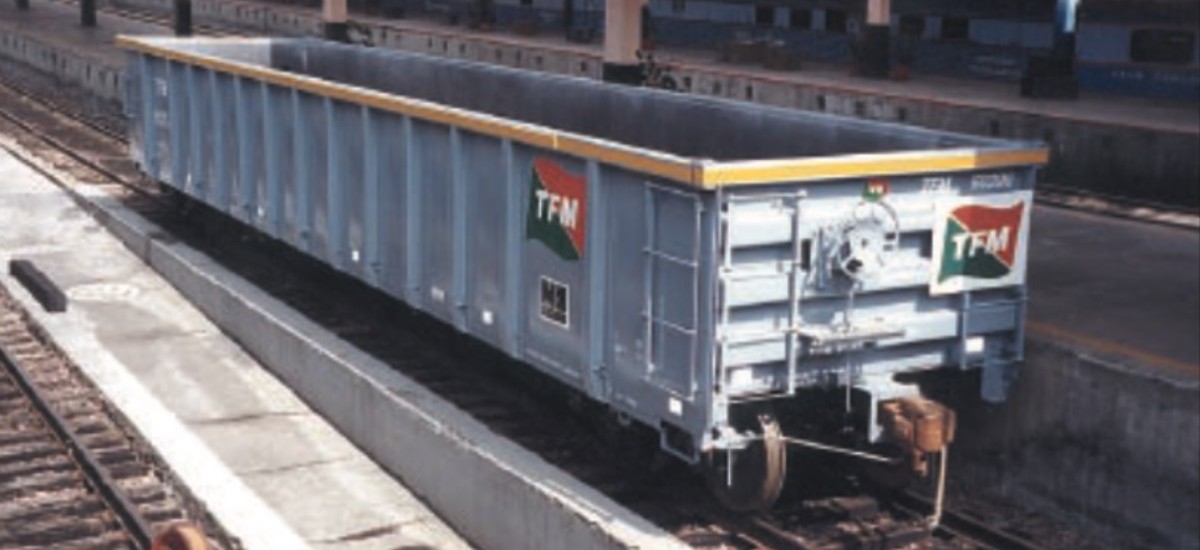
Greenbrier’s first production car, a gondola car manufactured in Mexico from Gunderson, a History of Oregon Company.
With facilities now operating in the United States, Canada, Poland and Mexico, Greenbrier transformed from a regional manufacturer into a global railcar producer with a capacity approaching 15,000 cars annually.
Innovation remained at the center of the company’s identity. Greenbrier introduced new generations of Maxi-Stack® cars and developed Auto-Max®, a high-capacity automobile carrier capable of handling combinations of vehicles that traditional two-level designs could not. The railcars can be configured as tri-level or bi-level. These advancements kept the company competitive as freight needs evolved, especially in the growing market for transporting light trucks and SUVs.
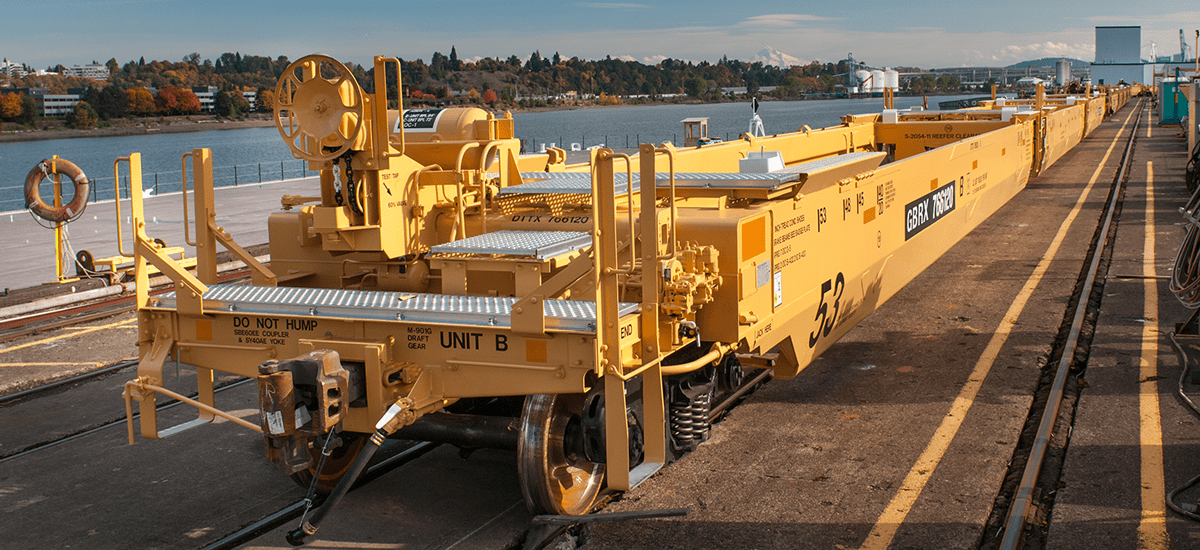
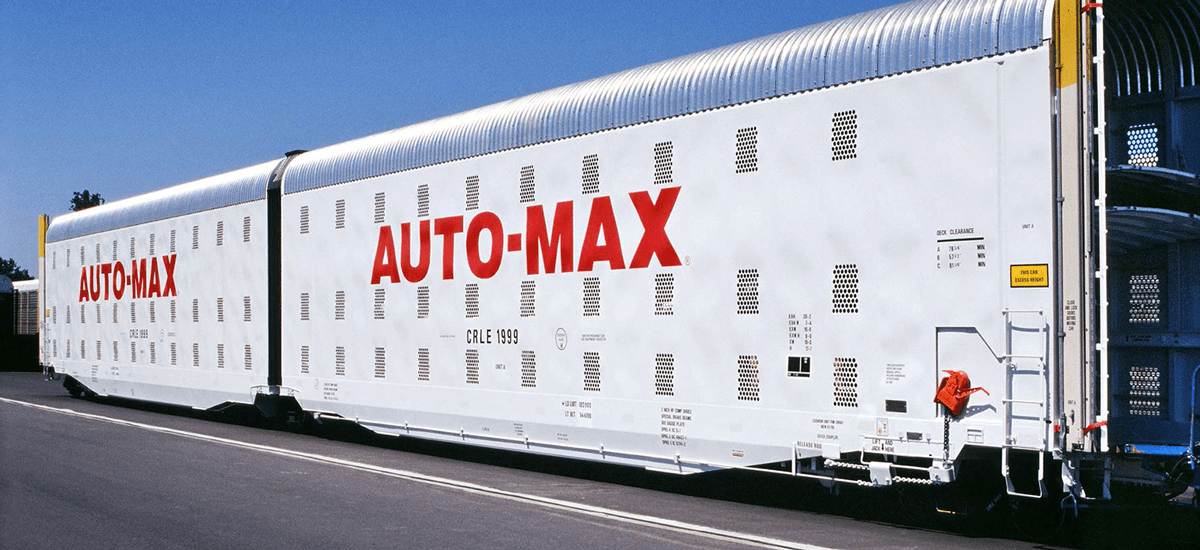
Maxi-Stack® and Auto-Max®
By 1999, Greenbrier employed 4,500 workers worldwide and managed a fleet of 33,000 freight railcars. The company celebrated its 100,000th built railcar. Production across all sites from 1985 to 1999 totaled more than 54,000 new railcars, an unprecedented period of growth.
Today, Greenbrier offers over 100 railcar designs that cover every major rail segment. Our operations are supported by a workforce of over 10,000 team members.
Connecting to Today
Over the years the company has evolved, but its core has stayed the same: craftsmanship, innovation and a commitment to doing the work well. That commitment reflects the dedication of Greenbrier team members around the world.
Today, Greenbrier operates as a global railcar manufacturer with production and engineering operations beyond the United States. The company maintains major facilities in Brazil, Mexico, Poland and Romania, serving freight rail markets across the world. From our beginnings in Oregon to operations worldwide, it’s been the people of Greenbrier who have turned opportunity into lasting growth.