
How a historic Texas rail town helped shape the industry—and now celebrates the nation’s semiquincentennial with commemorative railcars.
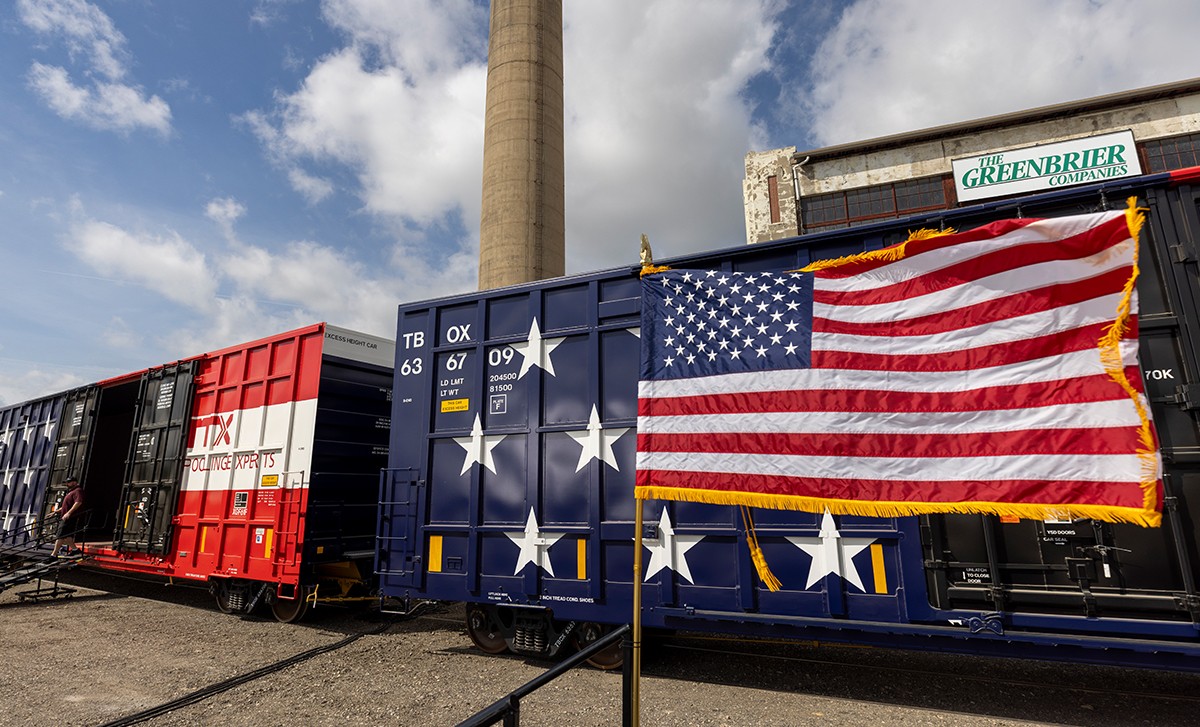
Cleburne, Texas has been closely tied to the railroad industry for more than a century. What began with the arrival of a single train in 1881 eventually grew into one of the most important rail maintenance hubs in the Southwest. Today, that legacy continues at Greenbrier’s Cleburne facility, where a new generation of railcars helps celebrate the United States’ 250th anniversary.
To understand how Cleburne became such an important rail hub, it helps to look back at its early railroad history.
Gulf, Colorado & Santa Fe Railway
Cleburne began as a small settlement known as Camp Henderson during the Civil War. By the late 19th century, the growing town had become a hub for local agriculture.
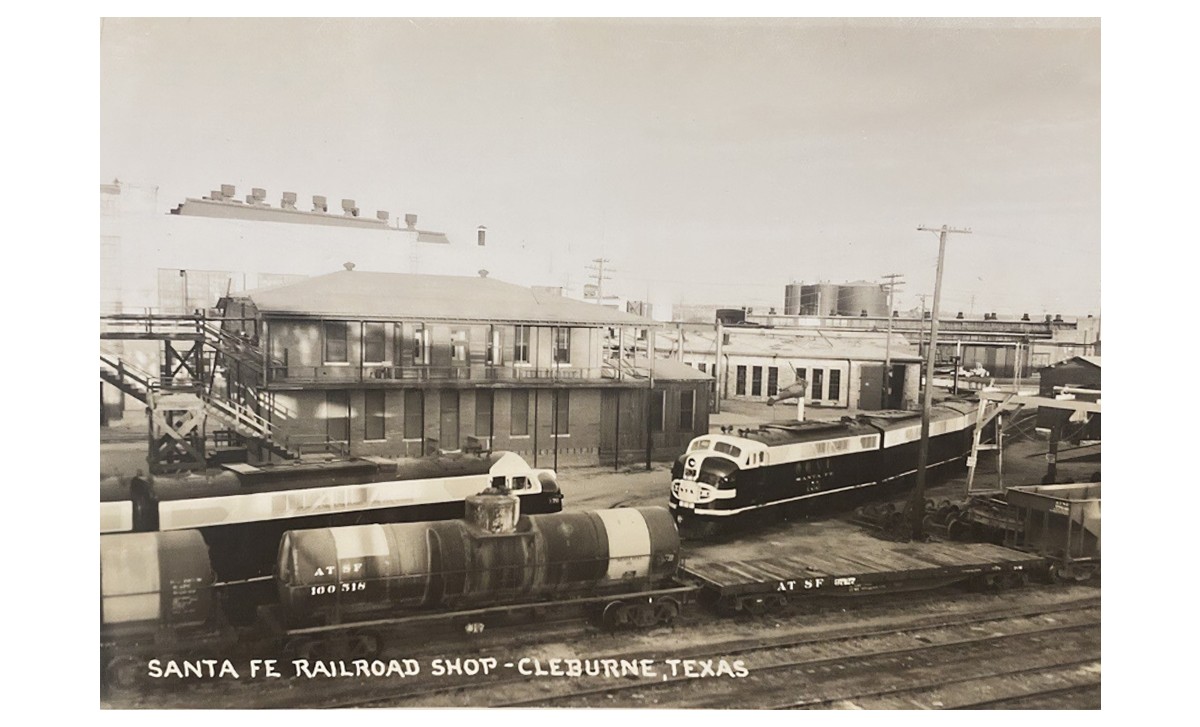
Farmers needed a way to move cotton, grain and corn from nearby fields without relying on long wagon trips to distant markets. On April 19, 1879, construction began on a line connecting Kopperl, Texas and Cleburne for the Gulf, Colorado & Santa Fe Railway.
Two years later, on October 21, 1881, the first train arrived in Cleburne, greeted by more than 1,000 spectators—nearly one-quarter of the town’s population. The railroad quickly became essential to the region’s economy.
Atchison, Topeka & Santa Fe Railway Shops
In 1897, Cleburne was selected over Dallas, Fort Worth and Temple as the location for a major Santa Fe railroad maintenance complex west of the Mississippi River.
The following year, the Atchison, Topeka & Santa Fe Railway opened the Cleburne shops, building one of the largest maintenance facilities in the Southwest at the time. The complex included locomotive repair shops, as well as blacksmith, carpentry and machine shops that supported railroad operations across the region.
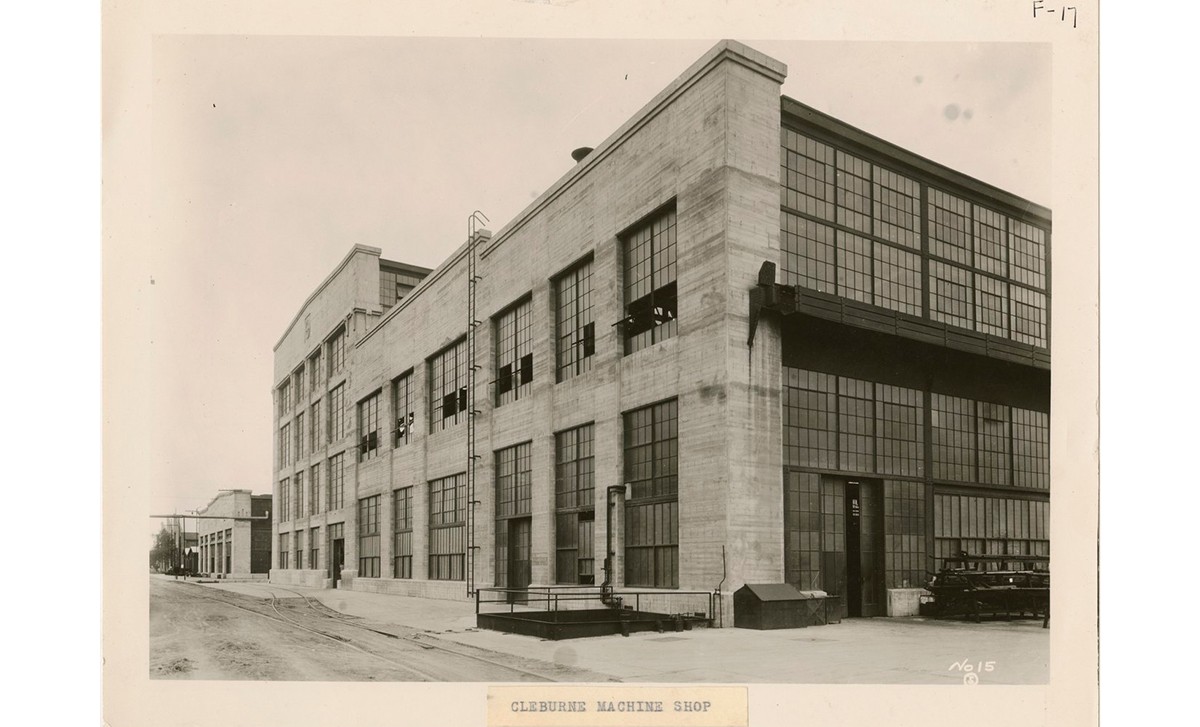
The Atchison, Topeka & Santa Fe Railway Machine shop in Cleburne, Texas
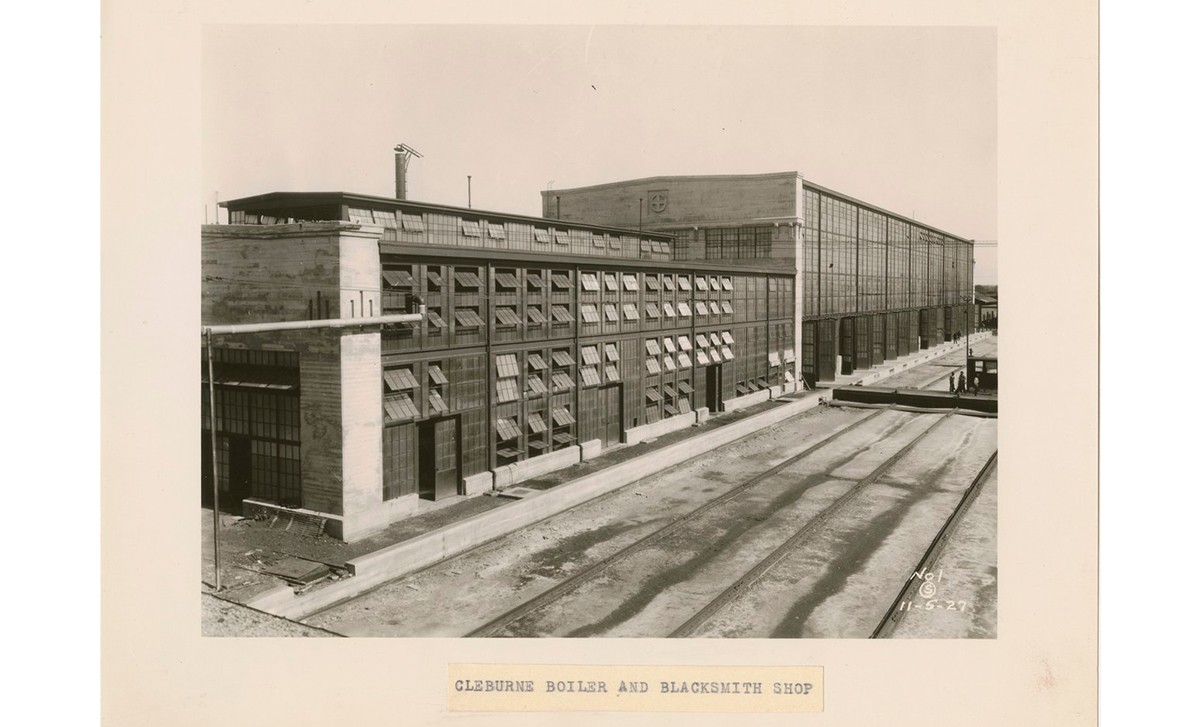
Boiler and Blacksmith shops
The operation became vital to Santa Fe’s system and eventually became the largest employer in the area for nearly a century. Workers repaired and maintained both steam and diesel locomotives as rail technology evolved.
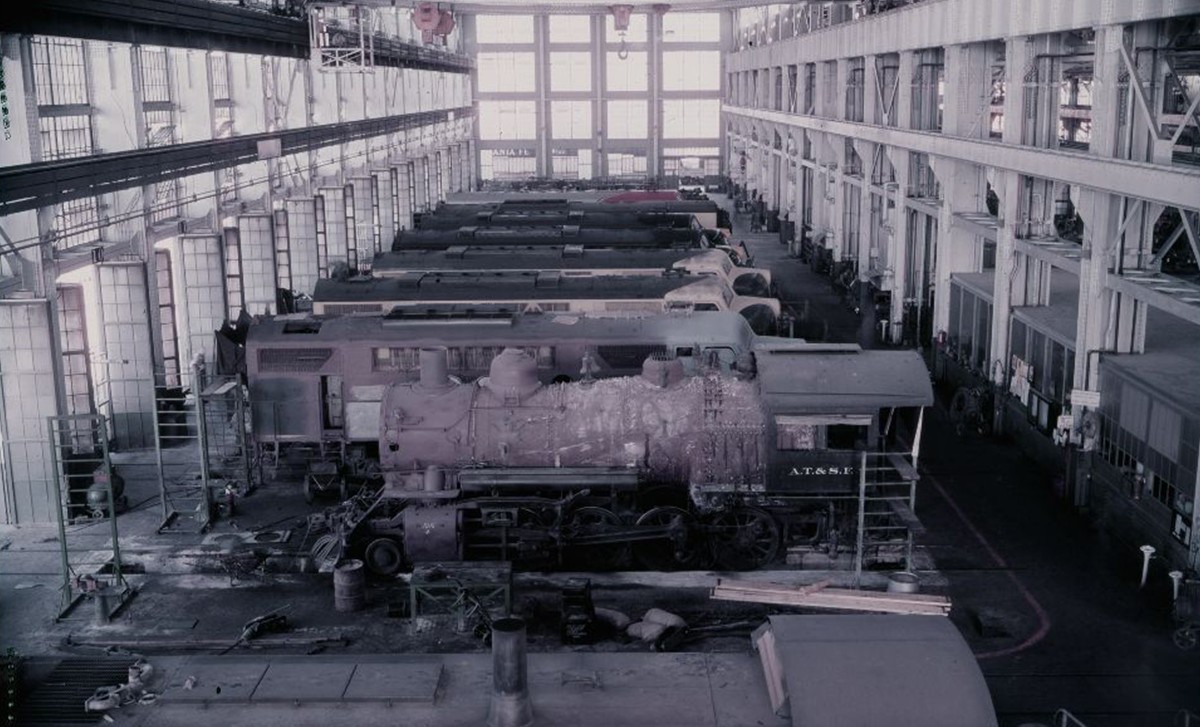
An interior view of the Atchison, Topeka & Santa Fe Railway Company’s locomotive shop in Cleburne shows a partially dismantled 1900-class steam locomotive in the foreground.
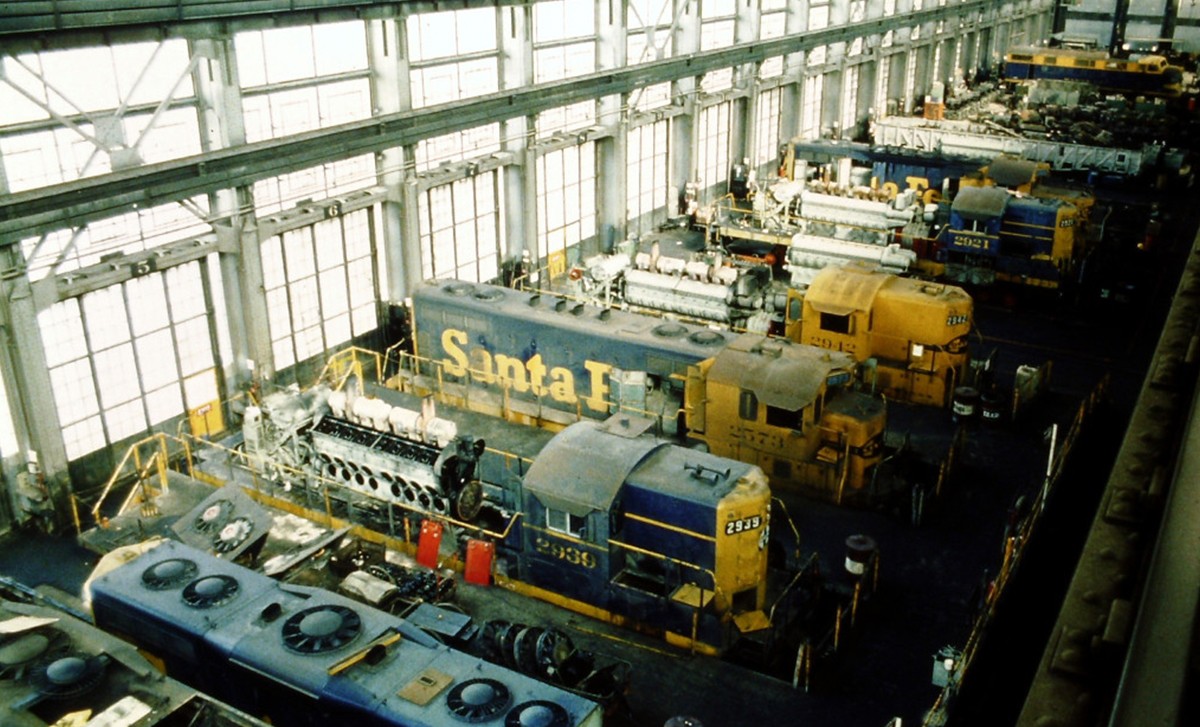
Atchinson, Topeka & Santa Fe diesel locomotives.
The shops remained a cornerstone of the community until they closed in 1989. A few years later, the lights came back on at the historic facility.
The Greenbrier Companies
In 1992, Greenbrier purchased the facility, turning it into the major operation we know of today. Crew members offer a broad array of expertise across different railcar types including boxcars, tank cars, hoppers, gondolas, flatcars and auto racks operating under multiple AAR certifications.
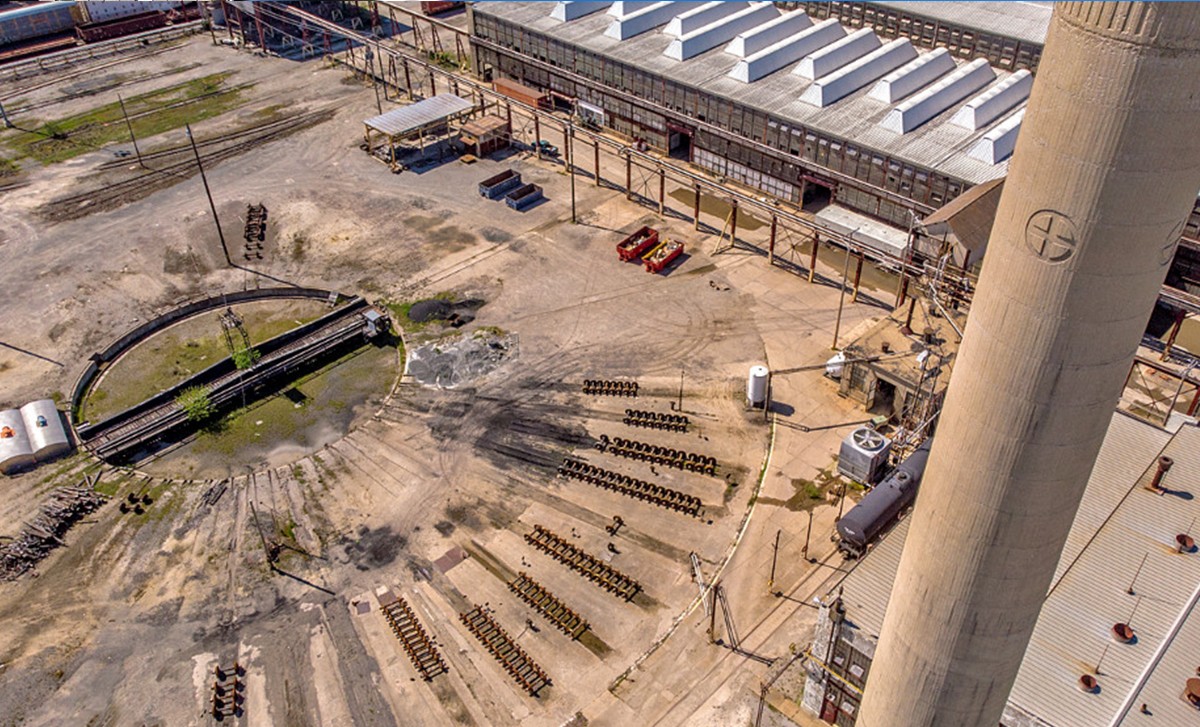
An aerial shot shows The Greenbrier Companies’ transfer table used to move railcars around the yard.
The facility remains focused on one goal: keeping customer fleets Moving What Matters™.
The location has become a one-stop shop offering full-service railcar repair, maintenance and refurbishment. Services include tank car repair, certified retrofits, wreck repair, heavy cleaning and custom painting.
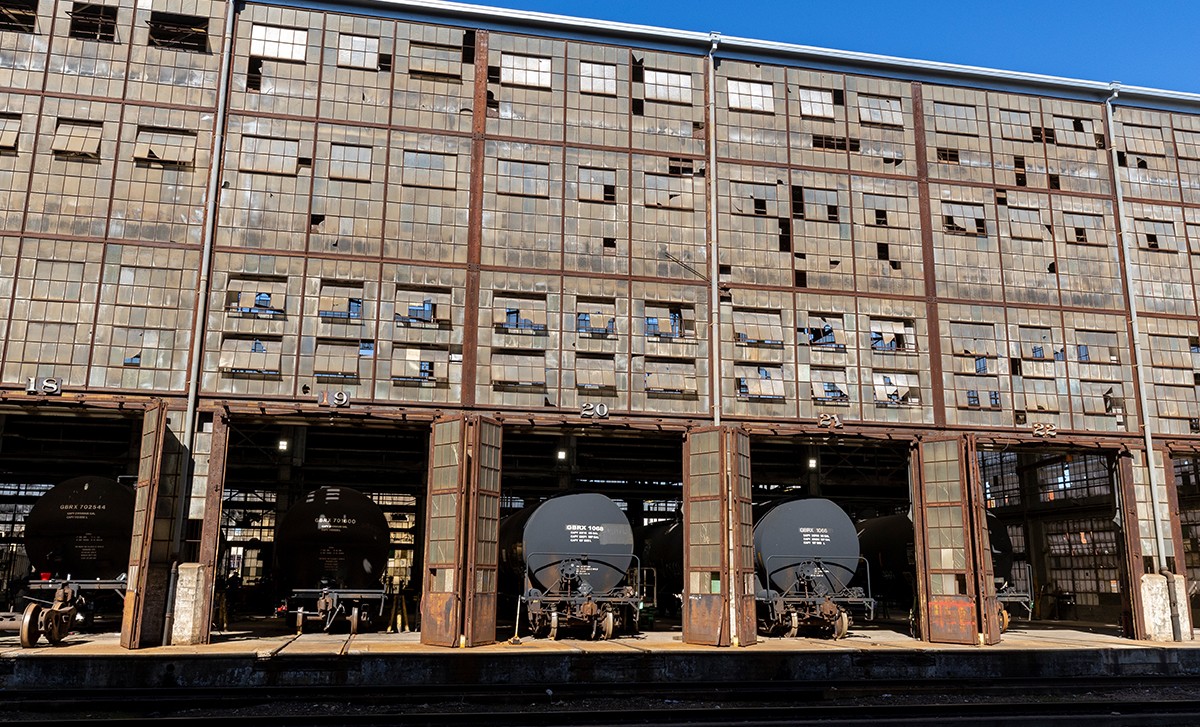
The company began working on tank cars at the Cleburne shop in 2021, the site of the former locomotive shop building.
Strategically located on the BNSF network, the Cleburne facility can support customers with storage capacity for approximately 350 railcars and repair capacity for about 120 railcars, supported by a highly skilled workforce.
Celebrating America’s 250th Anniversary
Today, that long railroad legacy continues at Greenbrier’s Cleburne facility. The site remains an active hub supporting customers.
That history also makes Cleburne a fitting place to celebrate an important national milestone. In partnership with TTX Company, Greenbrier helped launch a series of commemorative railcars honoring America’s 250th anniversary.
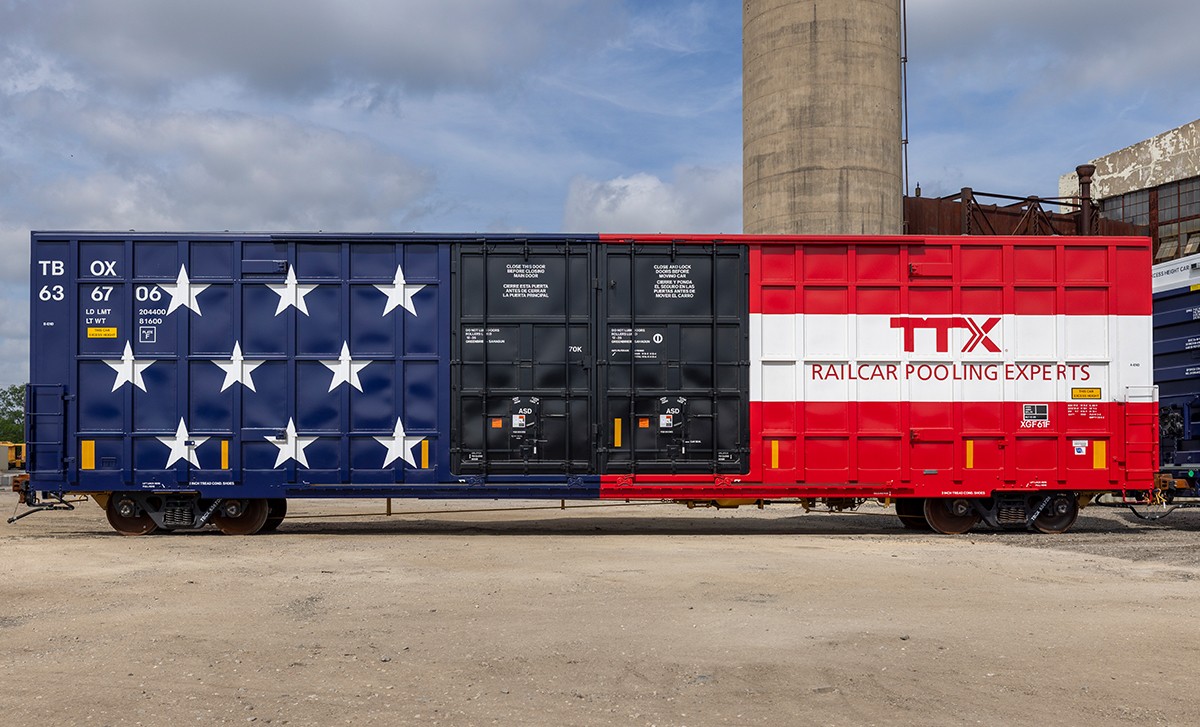
One of the special edition boxcars celebrating America’s 250 anniversary.
Unveiled at the Cleburne facility, the custom-painted boxcars feature patriotic designs that recognize the nation’s upcoming semiquincentennial while highlighting the role freight rail continues to play in connecting industries and communities across the country.
“Greenbrier has a long history of contributing to the rail industry and the communities where we operate. Being able to celebrate America’s 250th anniversary alongside our employees, partners and the local community makes this event especially meaningful,” said Jason Green, plant manager of the Cleburne facility.
Greenbrier employees also reflected on what it means to celebrate the milestone at the historic Cleburne facility.
“Celebrating with custom star-spangled boxcars is very cool. It really heightens the atmosphere and highlights the patriotism going into the 250th anniversary,” said Richard White, quality assurance manager at the Cleburne facility.
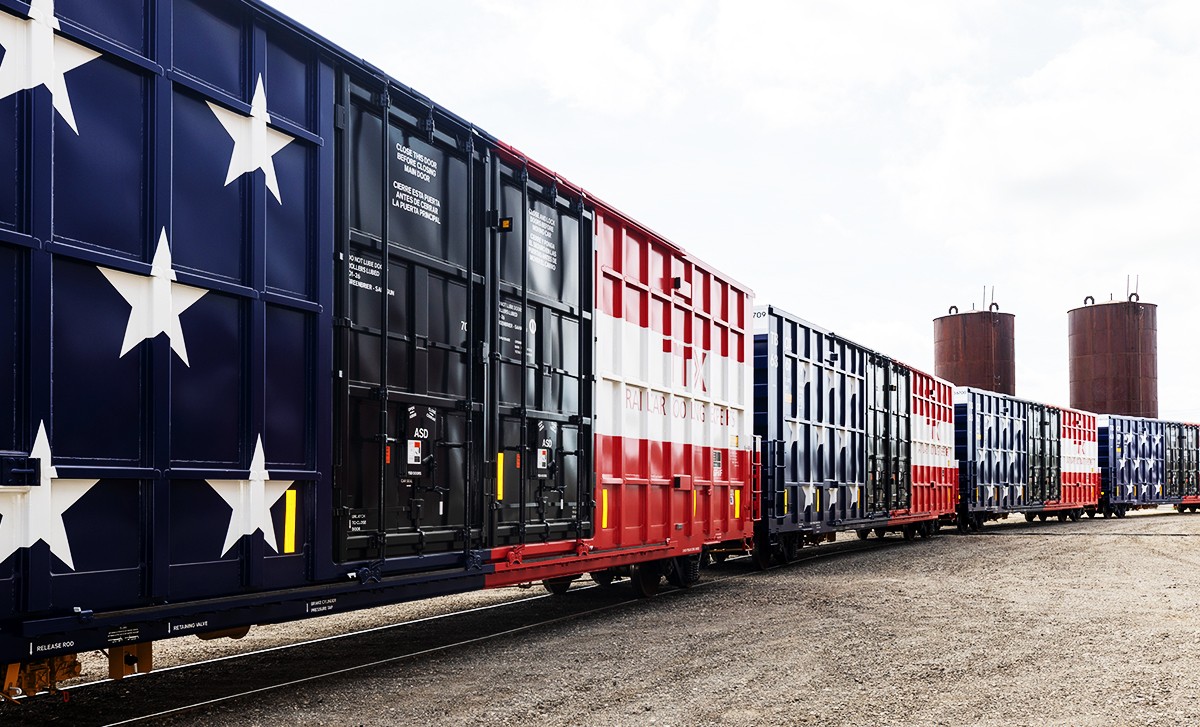
For more than a century, railroads have helped shape the story of Cleburne. Today, Greenbrier’s facility continues that legacy while celebrating a milestone in American history. The commemorative railcars serve as a tribute to both the nation’s past and the rail industry that continues to move it forward.