

We are honoring Veteran’s Day this year by looking at Greenbrier’s contribution to WWII.
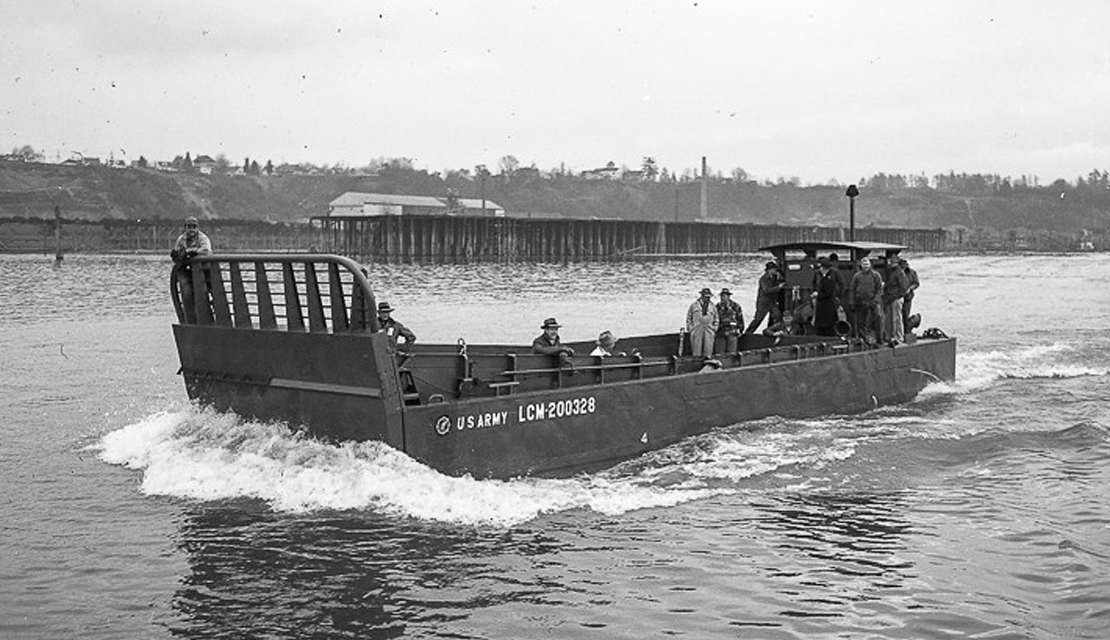
U.S. Army LCM, photo from The Greenbrier Companies archives
Greenbrier is known for its manufacturing expertise—but what about the company’s contributions during World War II? By expanding its operational capabilities, Greenbrier made meaningful contributions that aided service members in a variety of ways while defending our nation.
This Veterans Day, we are proud to share that story.
During the war, the U.S. government appropriated $50 billion to meet the military’s manufacturing needs. Many of those contracts went to Oregon shipyards.
In 1941, the Gunderson brothers decided they wanted to build marine craft for the U.S. Navy. The military needed Mechanized Landing Crafts—known as LCMs or tank lighters.
LCMs were designed to form a four-sided boat while underway. During loading or discharging operations, troops, vehicles, weapons, ammunition and other equipment could be transported and unloaded quickly. This versatility made LCMs essential to naval operations. They were used in major battles including Tarawa in the Pacific and Normandy in the Atlantic. More than 80 LCMs were even named after Gunderson workers.
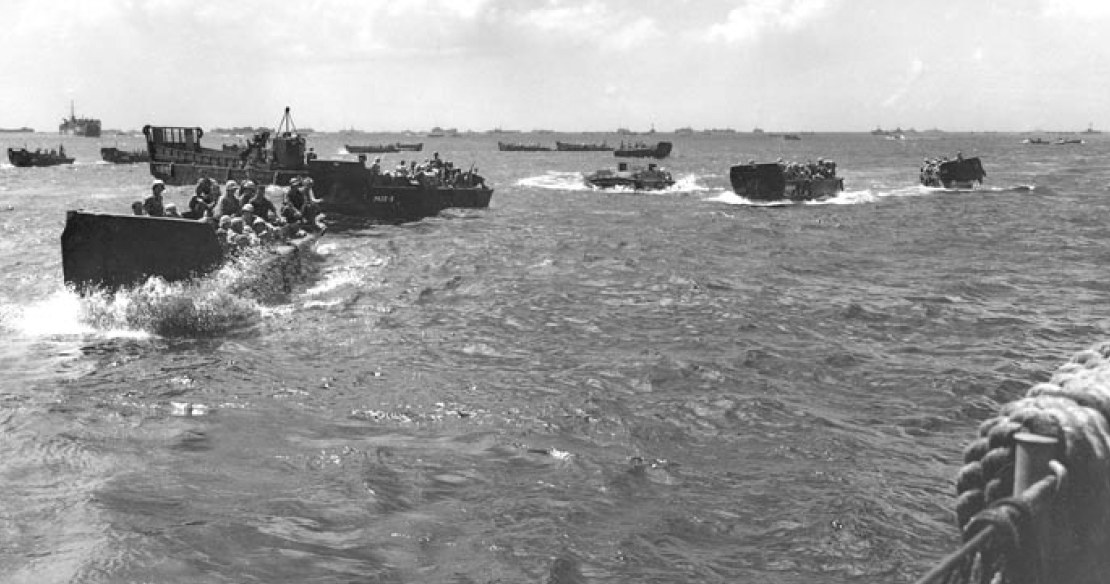
LCMs at the U.S. Marine Landing in Saipan, June 15, 1944, from Gunderson, a History of an Oregon Company
Chet Gunderson needed a shipyard to construct the boats. At the time, the company was manufacturing hatch covers, manhole covers, watertight doors and other items for the crow’s nest—the observation platform atop a naval ship’s mast. Constructing boats on this scale, however, required much more space.
The Navy toured the Linnton plant, reviewed the war products already in production and inspected a riverfront property chosen by Chet. He sold Navy officials on his vision for the site and received a letter of intent on the spot. The Gundersons were on the brink of starting a wartime boatbuilding business.
On Thanksgiving Day 1941, First National Bank approved the loan to build Front Avenue Shipyard and the steel needed for LCM production. The brothers bought 11 acres of riverfront property for $11,000. Today, it is known as Gunderson Iron Works.
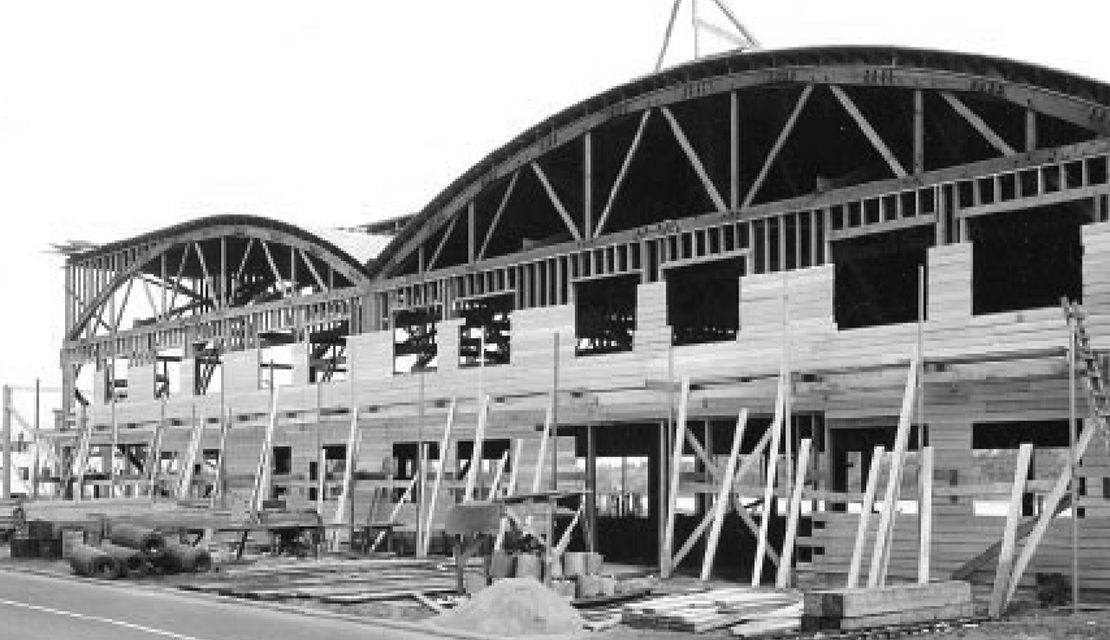
Front Avenue Shipyard from Gunderson, a History of an Oregon Company
The Front Avenue plant provided the space to fabricate tank lighters and U.S. Army ordnance or weapons-related trailers. Gunderson also continued producing logging and highway trailers during the war.
By October 1943, Gunderson delivered 2,248 lifeboats, nearly 200 LCMs, 10 LCCs or Landing Craft Control vessels. LCCs were 56-foot vessels who carried crews responsible for finding safe routes to shore, through lanes cleared of mines and obstacles.
Additionally, the Linnton plant manufactured thousands of ship doors, crow’s nests, hatches, manhole covers, scuttles and other parts for troop transport and merchant marine ships. Gunderson developed a reputation for prompt delivery and high-quality products, which led to more opportunities from the U.S. Army, Navy and Maritime Commission.
Around the same time, the company was incorporated in Oregon on May 29, 1942, officially named the Gunderson Bros. Engineering Corporation.
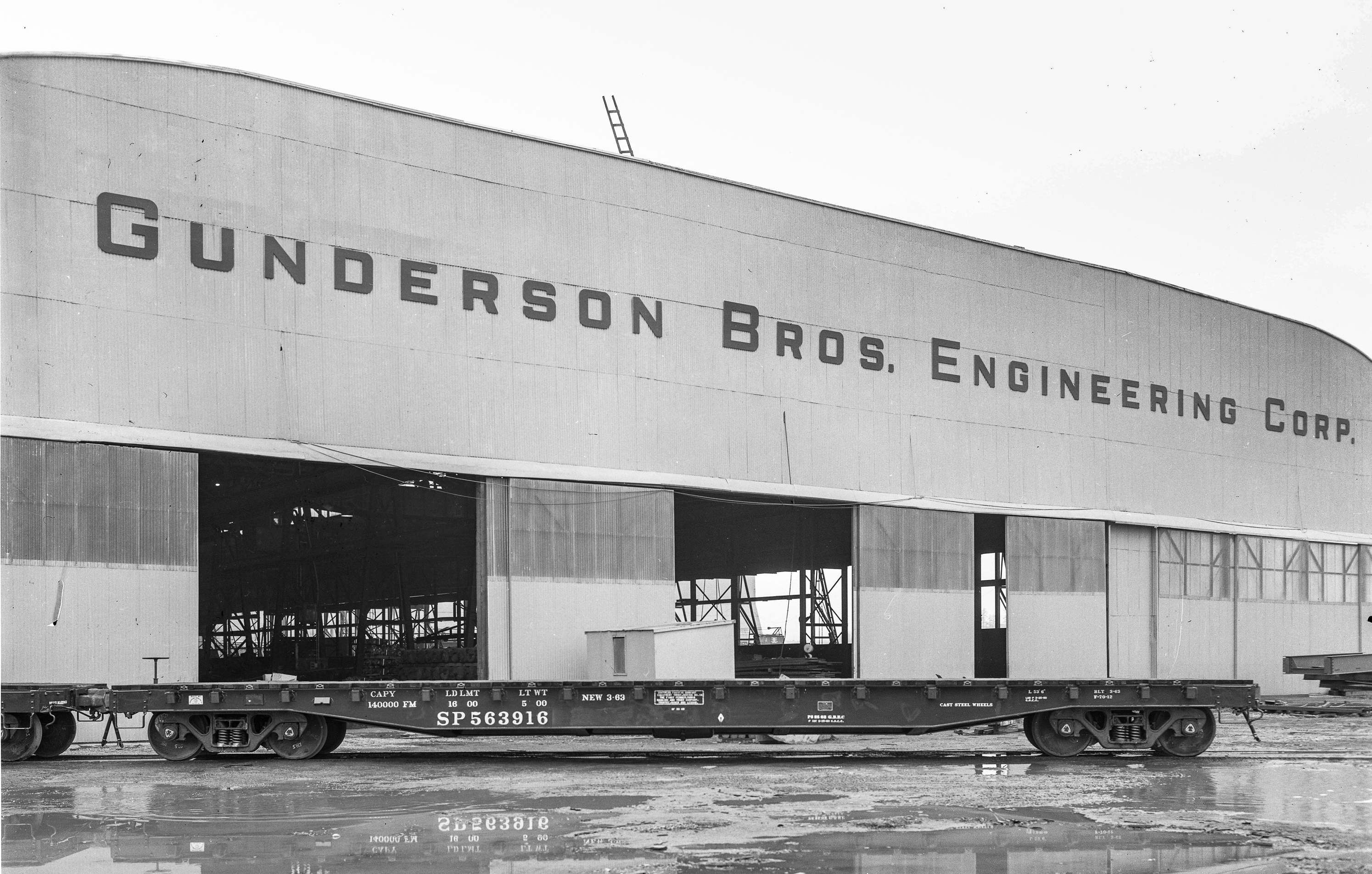
From the Gunderson, a History of an Oregon Company
Business was great, but there was always room for growth. Chet capitalized on that success to secure a small contract to build something else for the U.S. Maritime Commission. Gunderson was given the chance to build a 24-foot plywood lifeboat.
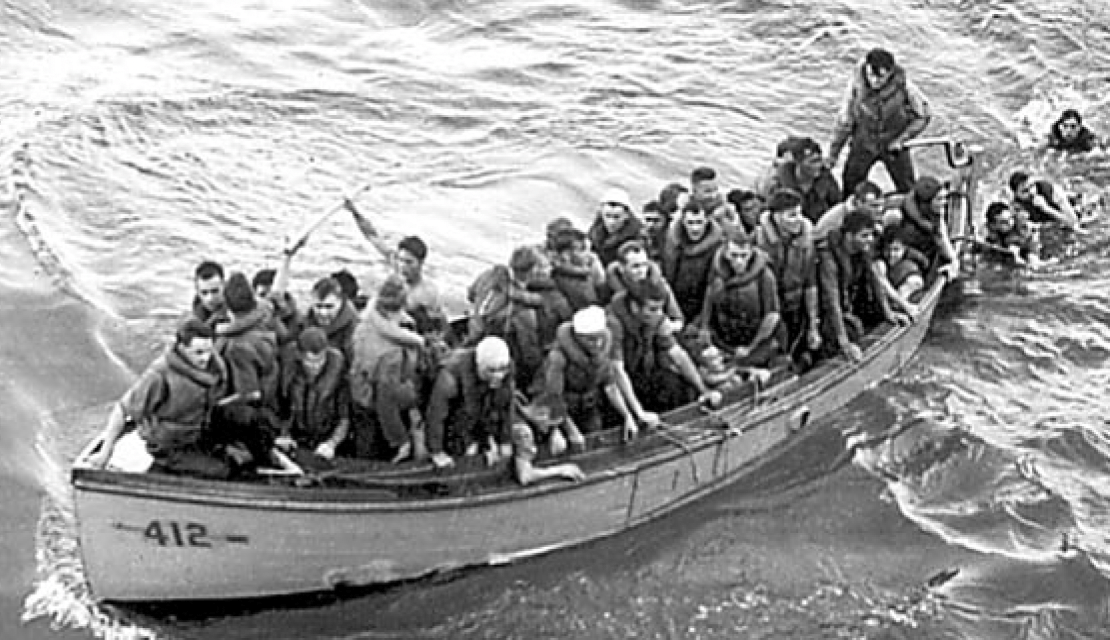
A 22-foot Gunderson lifeboat, from Gunderson, a History of an Oregon Company
It was tested in various ways to assess its capability passing with flying colors. These became the first plywood lifeboats approved by the U.S. Coast Guard ever and production ramped up. In January 1943, 300 Gunderson lifeboats were produced per month.
From 1942 to 1944 the lifeboat division built over 3,600 22-foot and 24-foot lifeboats for use on U.S. Maritime Commission troop transport and merchant marine vessels. Later in the war, the company also repaired those damaged, in service.
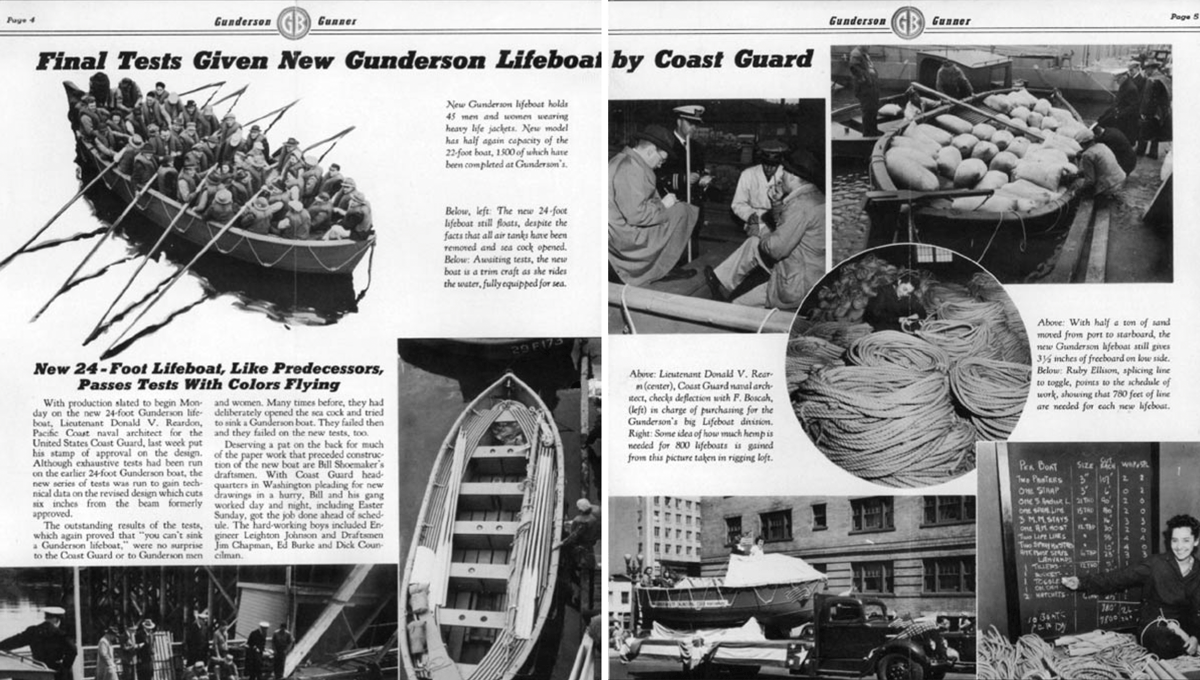
An article in the Gunderson Gunner, from Gunderson, a History of an Oregon Company
A Navy Machinist Mate 3rd Class, Collins K. Billing, spoke about the Gunderson war boats from Gunderson, a History of an Oregon Company.
“Those LCMs of yours are really something. They’ll turn on a dime, have plenty of speed and power; and that’s mighty important when you’re dodging eight-inch shells!”
The LCMs were utilized in a variety of ways and his testament was a firsthand experience.
Additionally, 400 dual axle semi-trailers for the Army, five Navy tugboats, 10 cargo lighters and 511 life rafts were produced in the final years of the war.
Greenbrier’s contribution was significant; the company proved to be resilient, versatile and dependable during the country’s call to service. In recognition and support of all veterans, thank you for your service. On this day, we celebrate you.