

Feedback from the field strengthens and refines our railcar designs moving forward.
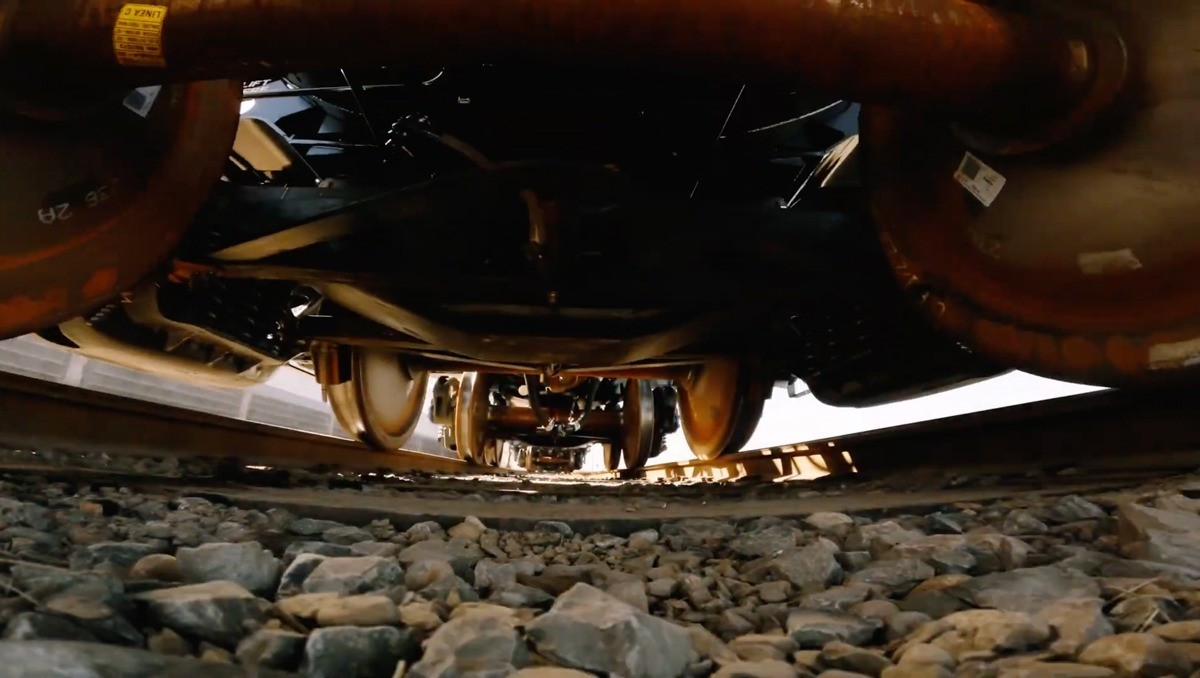
Engineering at Greenbrier is not a one-time process, it’s continuous. Long after a railcar leaves the plant, the company’s engineering teams remain engaged, learning how each car performs in service and using that knowledge to improve future designs.
That long-term mindset shapes how Greenbrier approaches engineering, repair and service. The company designs railcars not only to meet today’s requirements, but to remain reliable and maintainable throughout their full-service life.
“It’s very important for Greenbrier as a long-term player in the industry to produce very robust cars that we’re going to stand behind. We’re going to be here and we’re going to be servicing those cars for their full 50-year life,” said Peter Jones, Senior Vice President of Product Development and International Engineering.
To support that commitment, Greenbrier draws directly from its network of maintenance centers for insight into how railcars perform in the field. Feedback from these teams help engineers understand what works well and what doesn’t.
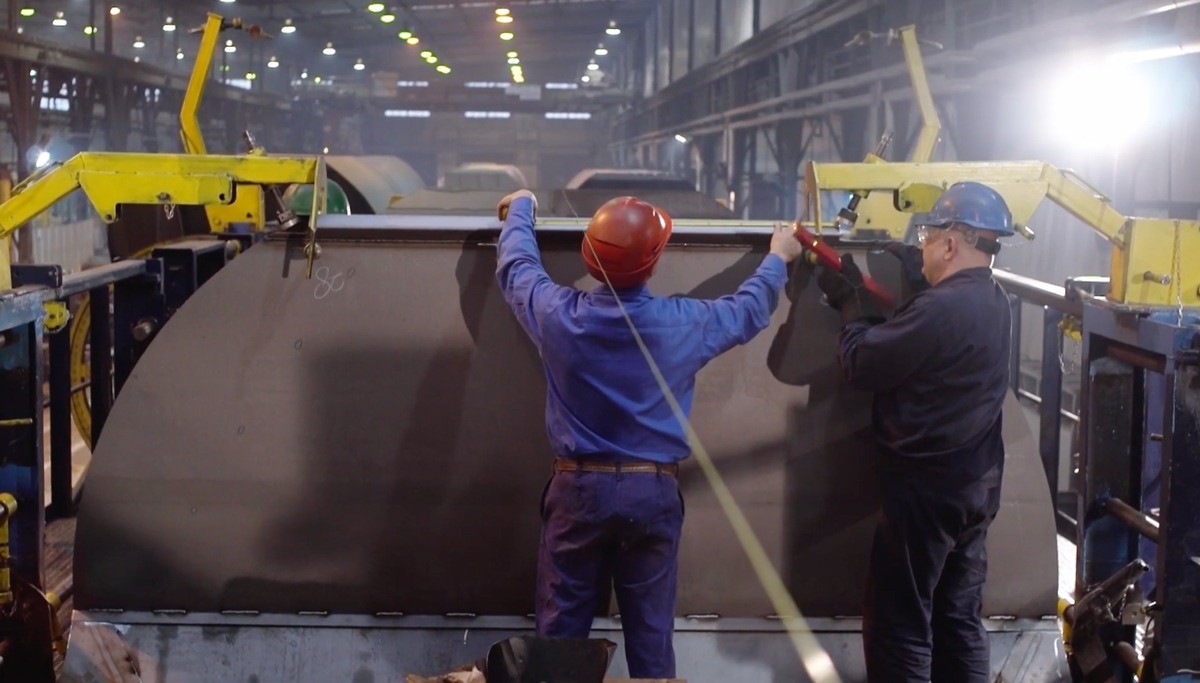
When common issues are identified, that information is shared with new car engineers to determine whether changes are needed in design or manufacturing. Those lessons are then carried forward, helping refine future offerings and improve overall maintainability.
By integrating real-world experience into the design process, Greenbrier ensures its railcars continue to evolve alongside customer needs. The result is equipment that is built to last, easier to maintain over time and engineered with the full lifecycle in mind.
Greenbrier’s teams play a central role in turning experience into progress. Their collaboration and dedication to excellence help ensure each railcar benefits from the knowledge gained before it.